


Shaping
meanings
Shapes not only define the playable space, they also carry meanings and convey emotions.
Let's look at the most basic shapes and see what they can communicate to players.

In this article, we'll dive into visual grammar by comparing shapes and their arrangements.
For each element, you will find 3 keywords that it generally conveys.
Think of this gallery as a toolbox, offering you visual tools to represent emotions.
When creating a level, play with shapes and use them to convey meanings as it's one of the many ways to work with Teach, Feel & Tell (learn more about the Teach / Feel / Tell Framework in this other article).
Find your own shape arrangements, and give them new keywords.
Make sure you use contrast to reinforce their impact (read more about contrast here).
Note: while most of the meanings conveyed by the following shapes are generally considered universal, some may be influenced by cultural background. For example, the way left & right movements are perceived can depend on the viewer's native reading direction.
Big elements

Immovable
Lasting
Imposing
Small Elements

Movable
Ephemeral
Focused
Cubes

Stable
Intentional
Trustworthy
Spheres

Movable
Polished
Useful
Pyramids
Inverted pyramids

Stable
Grounded
Inspiring

Unstable
Weird
Dangerous
Compressed

Immovable
Climbable
Safe
Spiked

Hazardous
Deadly
Scary
Sparse

Empty
Easy to navigate
Loneliness
Dense

Crowded
Hard to navigate
Overwhelming
Spread out

Organic
Distracted
Disconnected
Amassed

Intentional
Focused
Connected
ORDER

Understandable
Intentional
Stern
chaos

Unpredictable
Unintentional
Anxiety
ANGULAR

Harsh
Erratic
Urban
CURVY

Smooth
Flowing
Natural
BEneath

Wonder
Vulnerability
Inspiring
ABOVE

Pride
Dominance
Contemplating
Small room

Misery
Trapped
Guided
Big room

Grandeur
Wandering
Contemplating
Dark

Mystery
Scary
Abandoned
Enlighten

Reveal
Safe
Inhabited
hard edges

Rough
Directional
Man-made
Soft edges

Smooth
Flow
Natural
positive space

Defined
Intentional
Invite to stay
negative space

Undefined
Unintentional
Promote movement
In this exemple, Positive & Negative Space are architectural terms (these terms can have mutliple meanings).
Positive spaces are areas enclosed by elements; you can easily draw the shape created by these elements.
Negative spaces are undefined areas; you cannot draw a simple shape from the elements.
Static

Dull
Stable
Dead
Moving
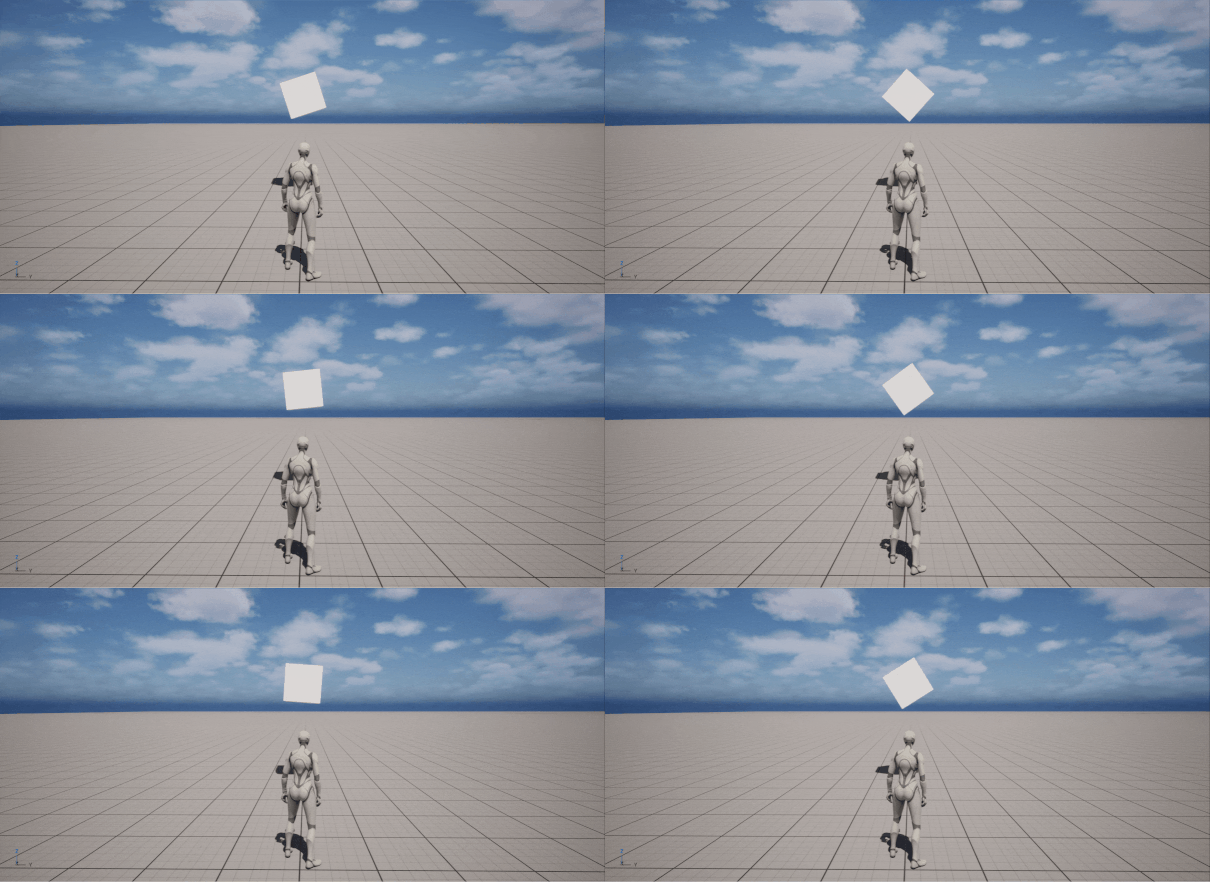
Has utility
Requires energy
Alive
Left To Right
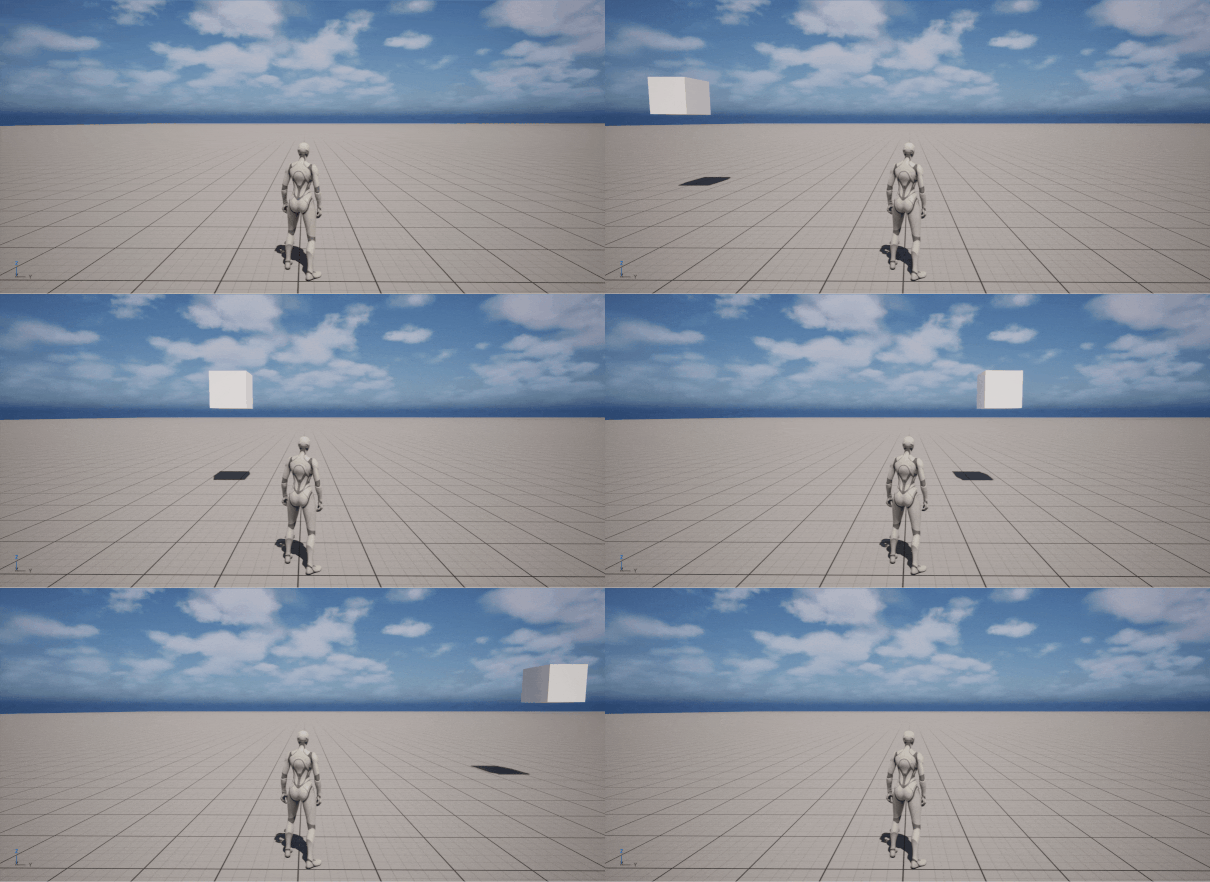
Comfortable
Going forward
Protagonist
Right to Left
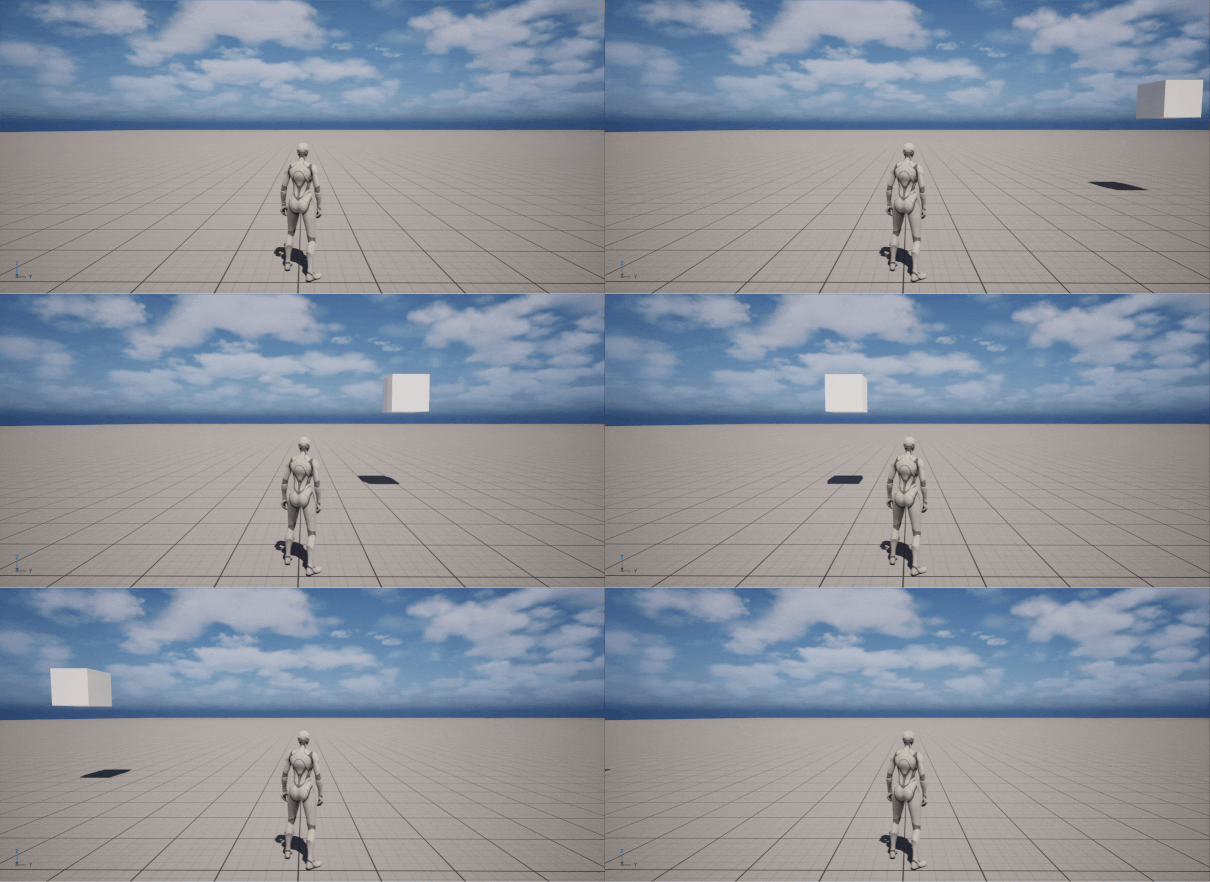
Uncomfortable
Going backward
Antagonist
This interpretation is mostly based on Western cinematographic conventions.
As mentioned in the introduction, this interpretation can be heavily influenced by cultural background and reading direction.
However, players around the world tend to be familiar with it.
Downward
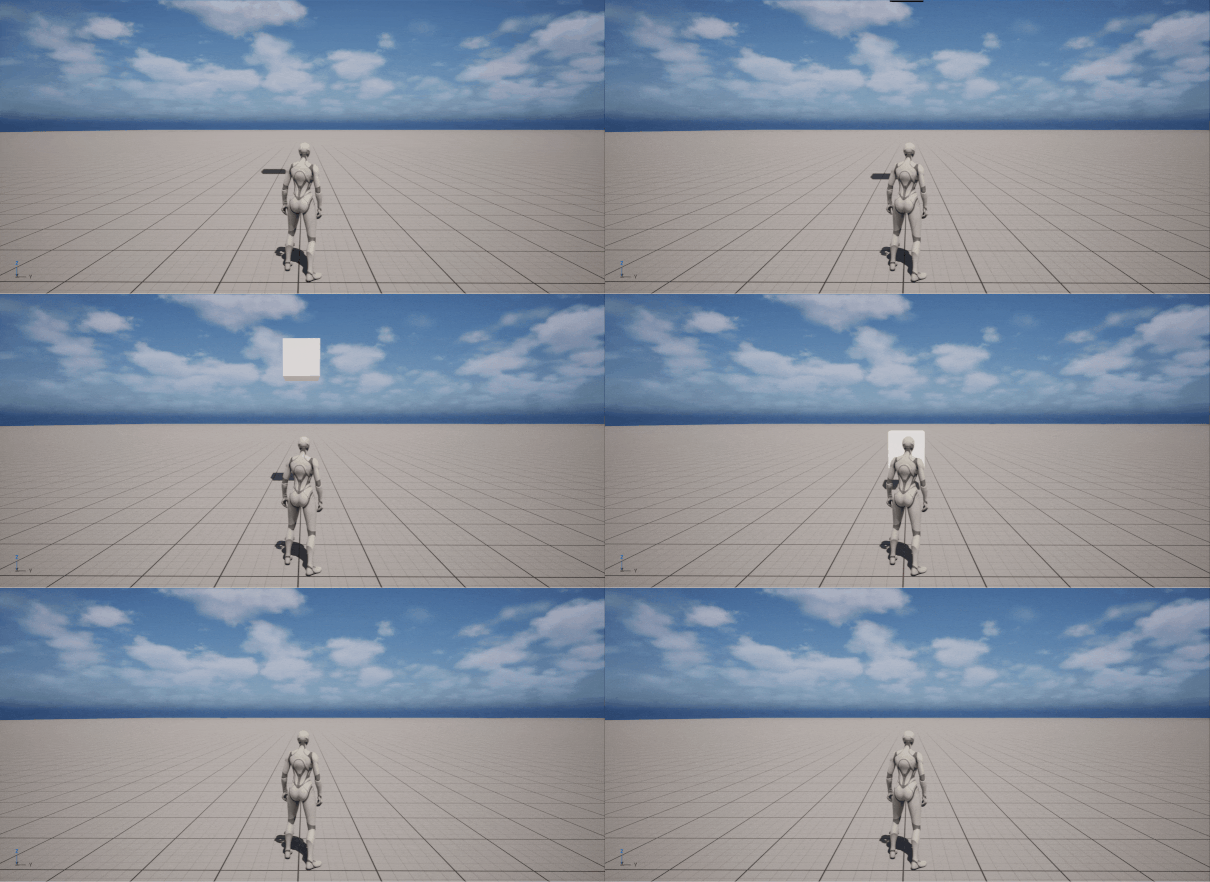
Gravity
Natural
Downfall
Upward
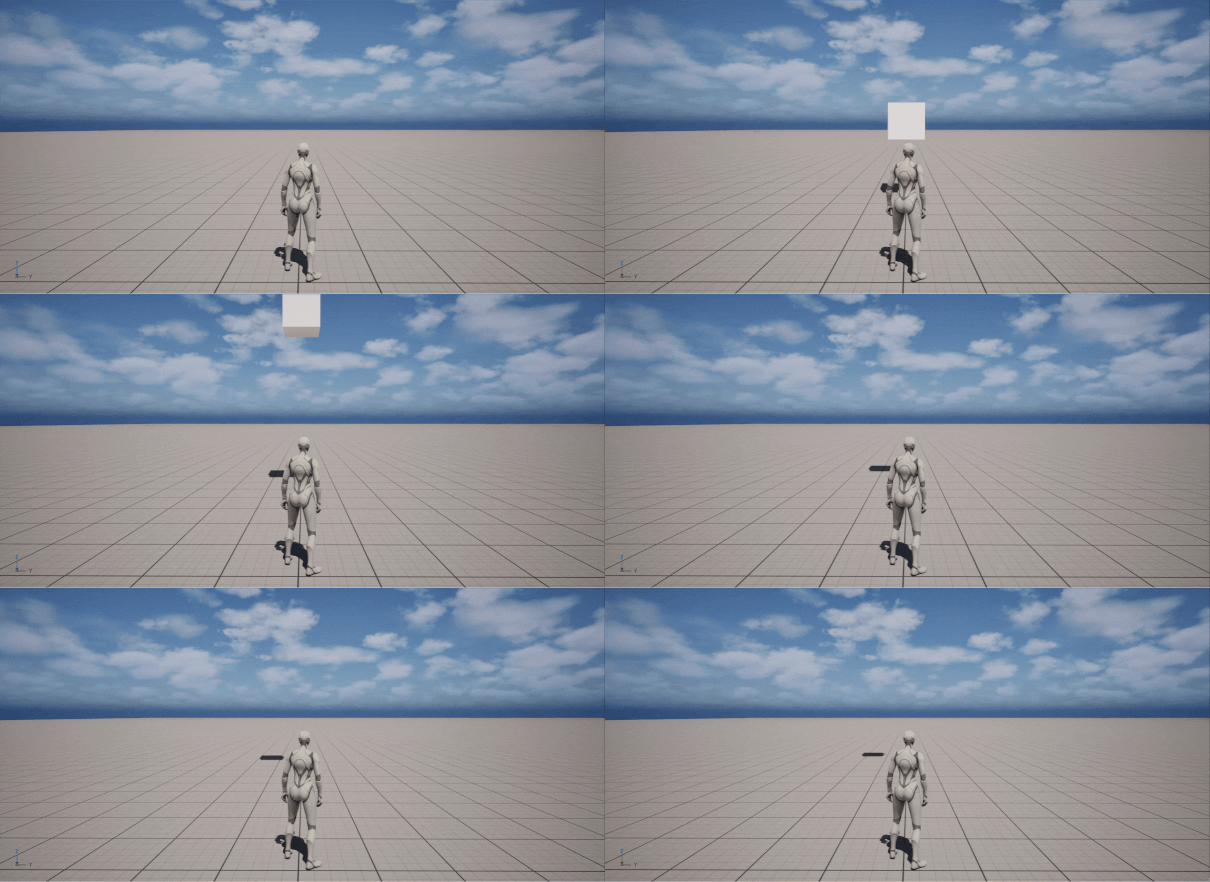
Requires energy
Unnatural
Ascension
Conclusion
When creating a blockout, think about the shape you're using, the story they tell, and the emotion they can evoke.
Due to our shared human experience, even simple shapes can carry meaning. For instance, a pointy triangle creates a sense of danger, as sharp objects can harm the human body.
Whenever I start a new project, I usually test these patterns with the game's 3Cs. Therefore I can see how each composition "feels" with the project's camera and it gives me a better sense of scale with the character ("Does a 4 meters high block feels imposing?").
This article is influenced by the work Molly Bang (Picture This: How pictures work) and David Orosz (Shaping Emotions: Utilizing Shape Language and Symbols in Level Design), do not hesitate to take a look at their fantastic work.